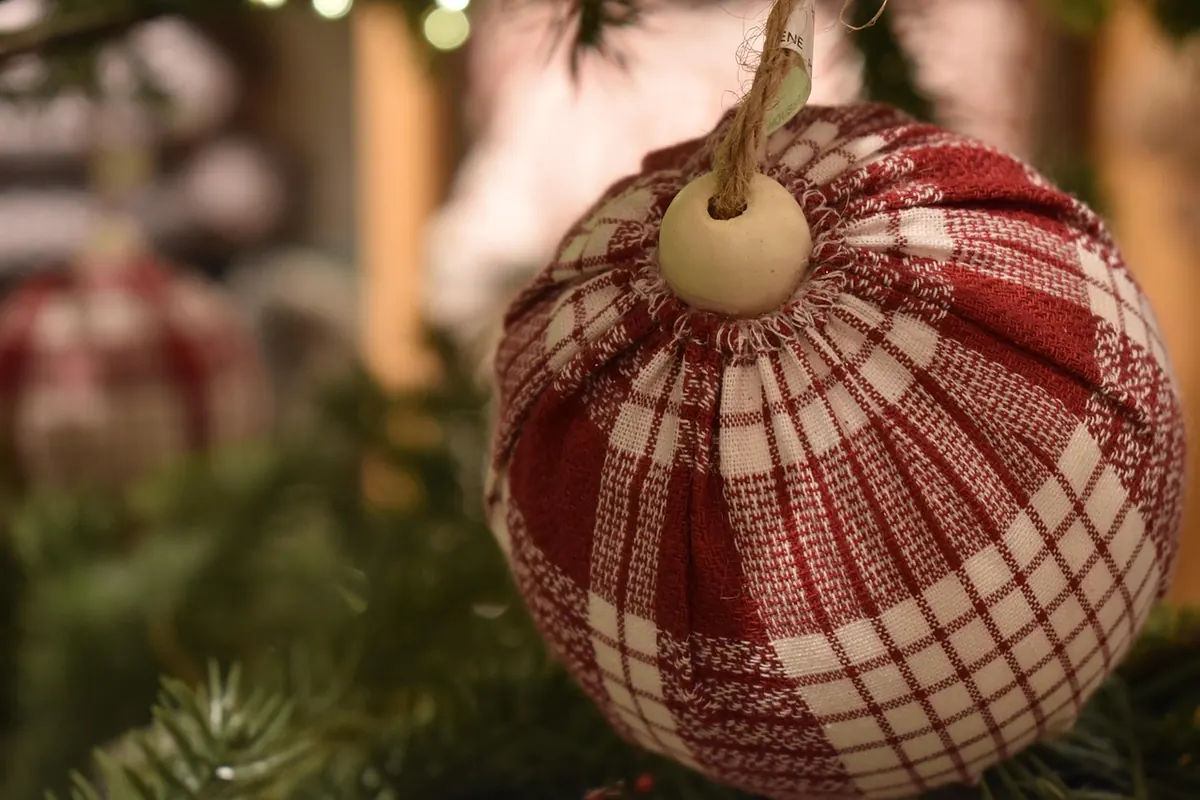
DIY Fabric Scrap Christmas Ornaments: A Simple No-Sew Guide
Turn a bag of fabric offcuts into folded, glued Christmas ornaments — no machine, no pattern, no sewing...

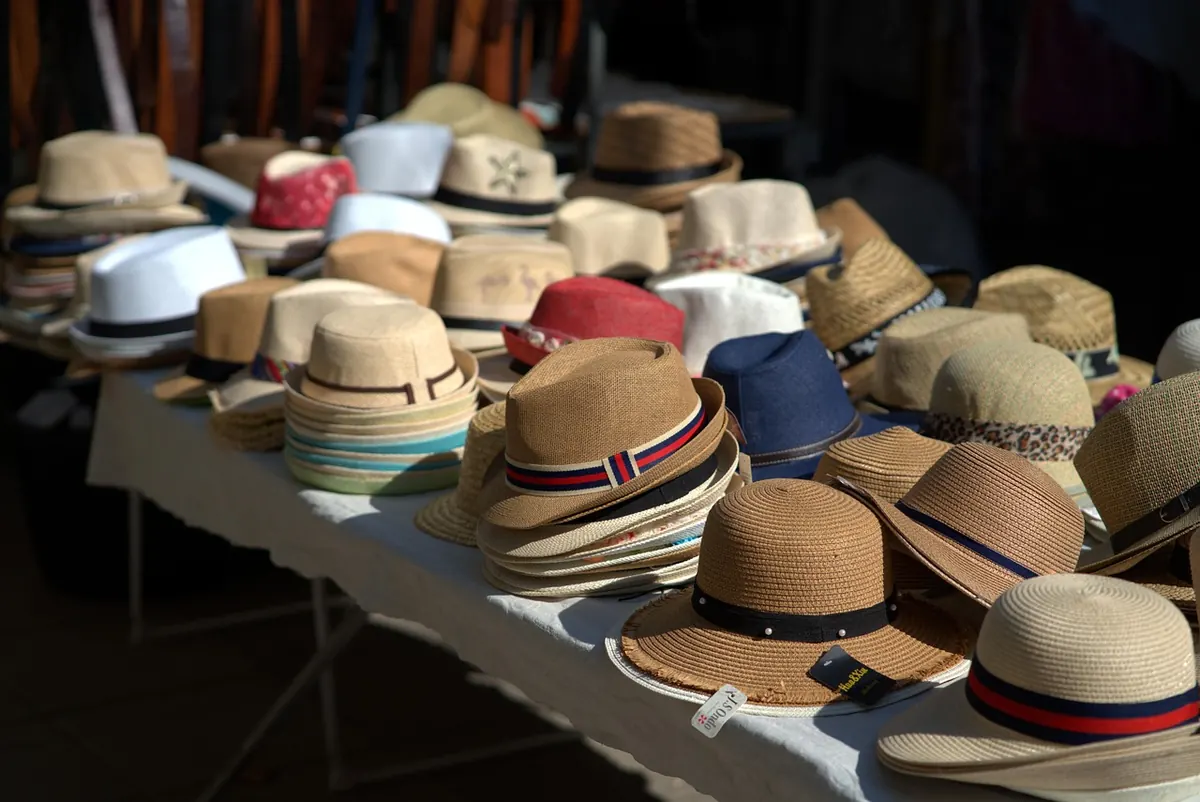
The first craft fair of the season has its own smell: floor polish, coffee from a urn in the corner, and the faint wool-and-sawdust scent of everyone's boxes being opened at once. You arrive in the dark, find your table, and start moving furniture. By ten o'clock there will be people three deep at the jam stand — and your table will either hum or sit very quiet.
The difference between those two mornings is rarely talent. It is preparation done in the weeks when the fair still felt comfortably far away. What follows is the working checklist for a local market: what to make, what to pack, and how to put a number on the things you made with your own hands.
Most makers plan stock in the studio, standing at a workbench with room to imagine. Better to plan it standing at a six-foot folding table. Measure your space, then sketch it on the back of an envelope: how many pieces can actually be seen at once? If a table holds thirty items comfortably, making ninety is a recipe for a storage crate under the table and a shopper who can't focus.
Work in three price bands, because shoppers arrive with three different intentions. Someone wants a small token under a tenner, someone wants a proper gift, and one or two people want the piece you spent three weekends on. If all your work sits in one band, you'll spend the day turning away the people who came to spend less — or more.
Keep a note from each event: what sold, what didn't, and what people picked up and put down again. That last category is the most useful, and the most easily forgotten by the following morning.
Good display is mostly about height and light. A flat table reads as a jumble from three metres away. Bring something to raise the back row — a wooden crate turned on its side, a stack of books, an upturned box draped in cloth — so the eye travels upward instead of skimming across.
Then pack the unglamorous things, because a fair is won or lost on small logistics:
Whatever the customer carries out of the hall is your advertisement on the bus, in the car park, and on the kitchen table afterwards. Plain paper bags with handles, a sheet of tissue, a sticker with your name, and a small care card will do more than an expensive printed box nobody keeps.
Think about the journey, not just the moment of sale. Ceramics want a box with a little padding. Textiles want a bag that won't let rain straight through. Anything with a pin or a sharp edge needs a sleeve. Write the fibre, the wood, or the glaze on the care card along with the washing or cleaning advice — people genuinely keep these, and they reduce the awkward message three weeks later asking how to clean it.
Price every piece on the back or the base, in the same handwriting, before you leave the house. Tagging on the table looks untidy and eats the first calm hour of the day.
The arithmetic is simple even when the feelings aren't. Add your materials, add your hours at a rate you would accept for other work, add your stall fee and a share of your packaging and travel, then add a margin so you can absorb the occasional wholesale enquiry or a bad batch. If the number that comes out makes you flinch, the answer is usually to make fewer, better things rather than to shave the price.
A few habits that keep pricing honest:
Keep a simple record of takings, stall fees and expenses for each event; your accountant will want the numbers, and you'll want them when deciding whether to book the same fair next year. If craft income is new to you, a short conversation with an accountant about registering and record-keeping is worth more than an afternoon of internet reading.
Pack in the order you'll unpack, and label the boxes with a marker on the lid. One box for stock, one for display, one for the till and paperwork, one for you. Load the personal box last so it doesn't end up buried.
Write a one-page plan and tape it inside the lid of the display box: table layout sketch, opening times, organiser's phone number, parking notes, and the three things you always forget. It saves you from standing in a car park at eight in the morning trying to remember whether the hall has a trolley.
Stand up. Greet people, then let them look. A maker bent over a phone is a closed shop, and hovering two feet from a browsing customer has the same effect. If you want something to do with your hands, work on a small piece — people stop to watch, and stopping is most of the battle.
Ask one useful question instead of reciting a sales pitch: what are they shopping for, or who is it for. Take notes on a pad as the day goes on, especially the colours and sizes people asked for and you didn't have. Change your layout at lunchtime if the traffic is flowing past one side of the table.
The night before, lay everything out on the floor in its packing groups, charge the card reader, count the float, and put your clothes out. Ten minutes of that buys you a calm morning. At the fair, don't pack away early; the last half hour often brings the people who came deliberately for you. Afterwards, unpack the stock, wash the cloth, bank the cash, and write your three notes while the day is still fresh in your mind. Then rest. The next fair will need you rested more than it will need one more item in the crate.
Photo: webandi / Pixabay
Turn a bag of fabric offcuts into folded, glued Christmas ornaments — no machine, no pattern, no sewing...
Tension problems show up as tight chains, aching hands, and wobbly rows. Learn five common crochet tension...
A practical side-by-side look at frame looms and rigid heddle looms — what each costs, how hard it is to...